
Patient-Specific Models
Patient-specific models provide a detailed, anatomy-accurate representation of an individual’s unique structures to support better surgical precision and improved treatment outcomes. Using advanced imaging data, we create high-resolution 3D models that allow clinicians to study complex anatomy, plan procedures, and anticipate challenges with greater clarity. At our center, we offer comprehensive Patient-Specific Modeling services to help surgeons visualize, simulate, and customize each step of the treatment process, ensuring accuracy and confidence in every case.
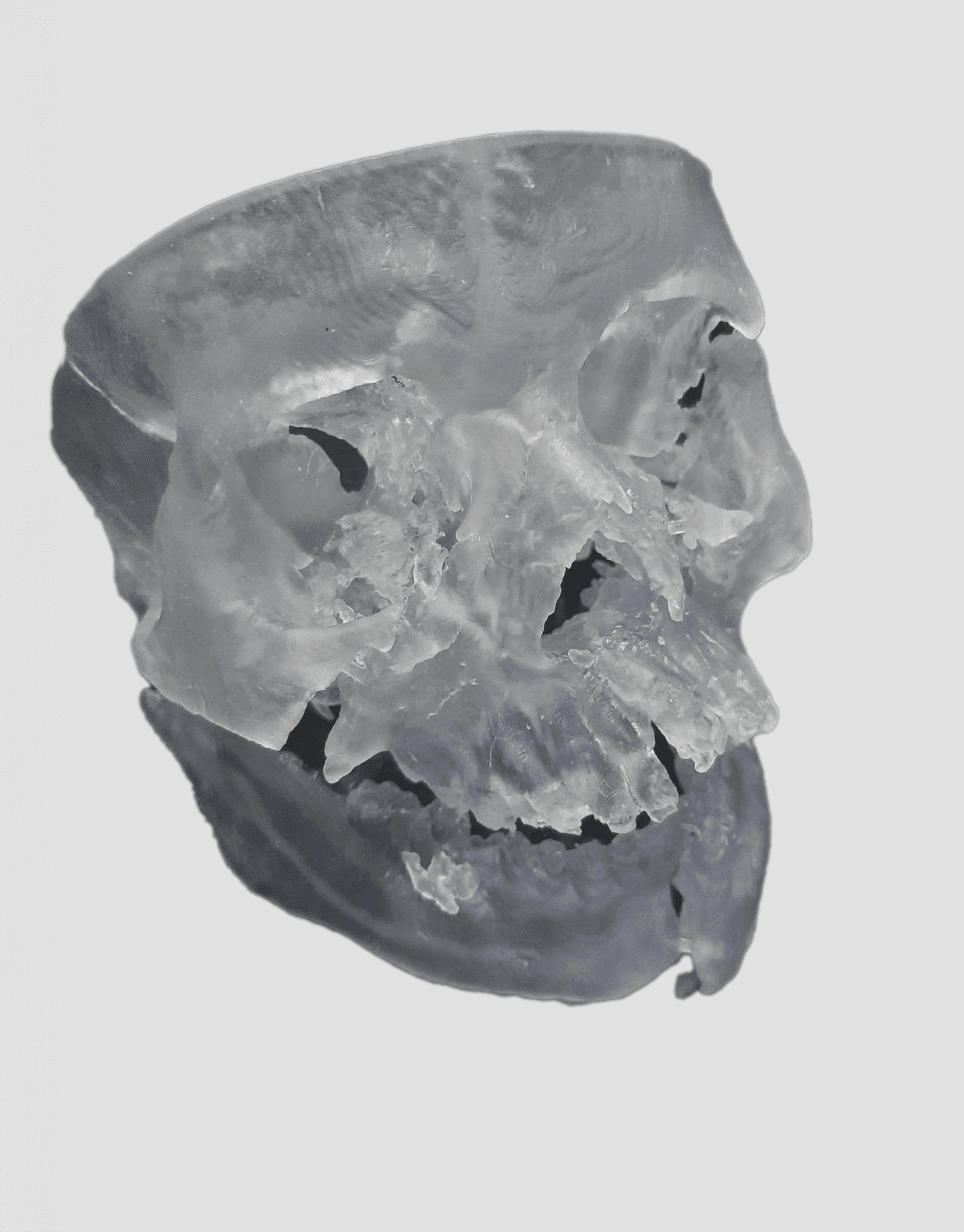
What are Patient-Specific Models?
Patient-Specific Models (PSMs) are detailed 3D anatomical replicas created using advanced imaging techniques such as CT, MRI, or laser scanning. These models are designed to represent the exact structure, proportions, and variations of an individual’s anatomy, providing highly accurate insights for surgical planning and treatment. Patient-specific models are commonly used in:
Orthopedic Surgery – Joint reconstruction planning, deformity correction, and implant alignment.
Maxillofacial & Dental Surgery – Jaw repositioning, implant placement, and facial reconstruction.
Neurosurgery – Tumor boundary visualization, pathway mapping, and skull-base planning.
Cardiac & Thoracic Surgery – Structural modeling, device placement, and surgical route planning.
Plastic & Reconstructive Surgery – Soft-tissue simulation, symmetry analysis, and aesthetic preparation.
Pediatric Surgery – Congenital anomaly mapping and growth-adapted planning.
These models offer a clear, patient-specific understanding of complex anatomy and support clinicians in making precise, informed decisions before surgery.
Key Components of Our Patient-Specific Model Service
Accurate Anatomical Reconstruction
We generate high-precision 3D models using patient imaging data.
Every structure is reconstructed with exact detail, helping surgeons study anatomy thoroughly before the procedure.
Enhanced Visualization & Pre-Surgical Insight
Clear visualization of complex areas to support better surgical planning.
Digital models that allow rotation, cross-section views, and measurement.
Improved identification of risks, anatomical variations, and surgical pathways.
By understanding the patient’s exact anatomy in advance, surgeons can plan more effectively, reduce uncertainty, and achieve better surgical outcomes.
Mandible
Patient-specific mandibular models provide an accurate 3D representation of the lower jaw, helping surgeons plan reconstructive, orthognathic, and trauma-related procedures with greater precision. These models allow for detailed visualization of bone structure, dental alignment, and anatomical variations, supporting improved surgical accuracy and predictable outcomes.

NEWSLETTER
Stay Informed, Stay Healthy
Get the latest health tips, expert advice, and updates
delivered straight to your inbox.